Emergency & frozen pipes
Call any time, day or night. A person answers — not a menu — and talks you through shutting the water off while a plumber heads your way.
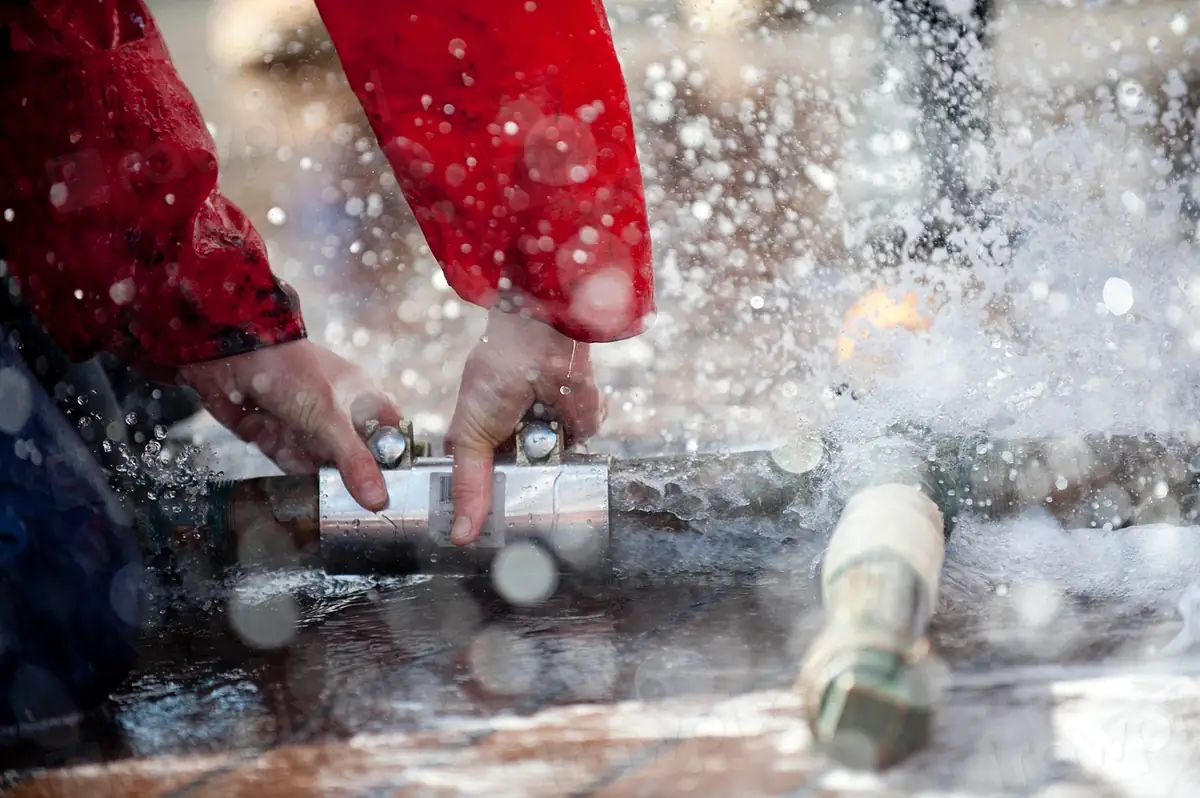
- Water spraying, pouring or coming through a ceiling
- No water anywhere in the house on a cold morning
- Sewage coming up through a floor drain
- Water heater leaking steadily
How we handle it
Step 1
Stop the water
Our dispatcher walks you through finding the main shutoff and turning off the water heater while the truck is on the way.
Step 2
Make it safe
Burst pipes repaired, backups cleared, and frozen lines thawed with safe heat — then checked for splits before the water comes back on.
Step 3
Paper trail
Photos, a written cause, and an itemized invoice you can send straight to your insurance adjuster.
Most frozen pipes happen on the first hard night
Denver Water's advice: know where your shutoff is, insulate pipes on exterior walls, open sink cabinets on cold nights, drip the faucet farthest from where water enters, and keep the heat at 65°F or higher when you're away.
Check this week's Freeze WatchTypical prices
- Thaw a frozen pipe$199–$450
- Repair a burst pipe$295–$950
- After-hours dispatch$149
Typical ranges. Your price is confirmed on site before work starts. Full price book
Straight answers
- Do you charge more at night?
- Yes — a flat after-hours dispatch fee, quoted on the phone before we roll. Care Plan members don't pay it.
- Should I use a torch on a frozen pipe?
- Never. Use a hair dryer or space heater at a safe distance, open the faucet, and work from the faucet back toward the frozen spot.